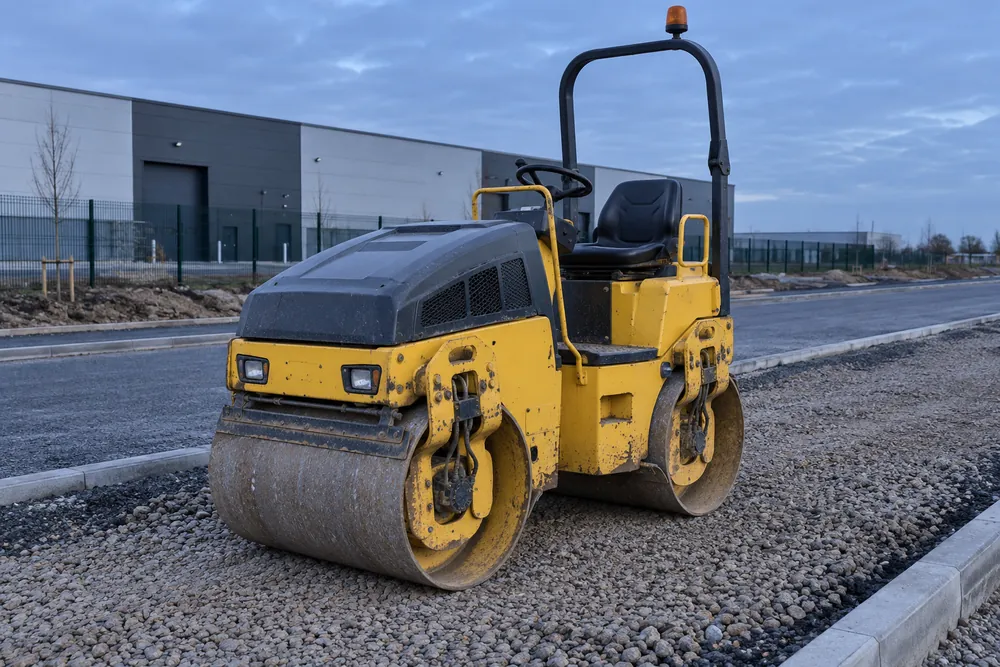
Choose Compaction Around The Specification
Compaction roller hire supports ground preparation and reinstatement where placed material must achieve the project’s specified condition. Choosing a roller needs more than the width of the area. Material type, layer depth, access and the surrounding structures all affect the machine and working method.
A roller that suits an open yard may not work effectively in a confined trench or alongside an obstruction. A plate compactor or rammer may be more appropriate for some restricted areas. Describe the dimensions and material rather than asking for the largest roller that will physically fit.
For a commercial access road, service yard or paving scheme, share the relevant specification with the person selecting the equipment. The machine choice and compaction method should support the required result. Hiring a roller alone does not provide a ground design, testing regime or acceptance certificate.
Material, Layers And Edge Detail
Explain whether you are compacting granular fill, sub-base or another specified material. Moisture condition, grading and the thickness of each placed layer affect how the work should be carried out. The method should be agreed with the responsible site team, using the material and equipment guidance.
Consider the space available for overlapping passes and turning. A tight corner or narrow strip may need separate edge treatment rather than repeated manoeuvring with an unsuitable roller. Plan the sequence so the compactor does not damage completed surfaces or obstruct material deliveries.
Vibration can affect nearby structures and services. Identify sensitive equipment, retaining walls, utilities and adjacent occupied premises before selecting vibratory operation. A competent assessment may call for another method, restrictions or monitoring rather than assuming vibration is acceptable throughout the work area.
Safety And Vibration Duties
PUWER applies to compaction equipment used at work. Check suitability, guarding and controls, and provide the operator with model-specific information. A familiarisation handover should cover starting, stopping, emergency controls and the operating restrictions relevant to the selected roller.
Assess vibration exposure during compaction work under the Control of Vibration at Work Regulations 2005. Ride-on equipment can expose operators to whole-body vibration, while hand-guided equipment can involve hand-arm exposure. Review the work duration, surface and equipment condition using HSE whole-body vibration guidance and suitable manufacturer information.
Keep pedestrians separate from the compaction area and consider trapping hazards near walls or fixed structures. Follow the manufacturer’s slope limits and operating instructions. Rollover protection, seatbelts and other safety devices must be used as specified for the equipment, with defects reported before further use.
A Workable Hire Process
First, describe the project, postcode and dates. Provide the area dimensions, access width, material and layer depth, together with any project specification. Tell us about nearby services, sensitive structures and restrictions on noise, vibration or working hours.
Next, review the proposed equipment against the task. Confirm drum width, operating weight, vibration modes and whether a ride-on or pedestrian machine is suitable. If edge work needs a separate plate or rammer, include that in the quote before the programme begins.
Before delivery, prepare a suitable unloading area and access route. Confirm that the supporting surface is ready for the equipment and that a competent operator is available. Plan the compaction sequence alongside material placement so hire time is used for productive work.
At handover, check condition and instructions and identify daily maintenance requirements. During use, follow the agreed method and carry out any specified inspection or testing of the completed layers. At completion, clean the equipment as agreed and confirm off-hire and collection.
Cost Factors And Reinstatement Planning
Roller hire cost depends on equipment size, duration, transport and the selected attachments or supporting equipment. Check whether the roller quotation lists refuelling, cleaning and damage arrangements as extra charges. Ask for a quotation that states the hire period, minimum charge, delivery, collection, VAT and extension terms.
If the work follows drainage or excavation, coordinate with the digger hire and dumper hire stages. The compactor needs suitable material in place and an agreed method before it can be used. Describe the full sequence so each item can be considered at the stage it is needed.
Compaction Roller Hire Questions
Should I Hire A Roller Or A Plate Compactor?
Roller or plate compactor selection depends on the material, layer thickness and working space. Rollers may suit open areas, while plates can be useful for restricted sections and some edge work. Share the project specification and dimensions so the equipment can be considered against the required result, with separate treatment for areas the main machine cannot reach.
Does Roller Hire Include Compaction Testing?
Compaction testing is not automatically included with roller hire. The project team should identify the required standard, method and acceptance checks before work begins. State any testing requirement in your enquiry, then confirm who arranges it, since the provision of equipment does not establish that a completed layer meets the project’s specification.